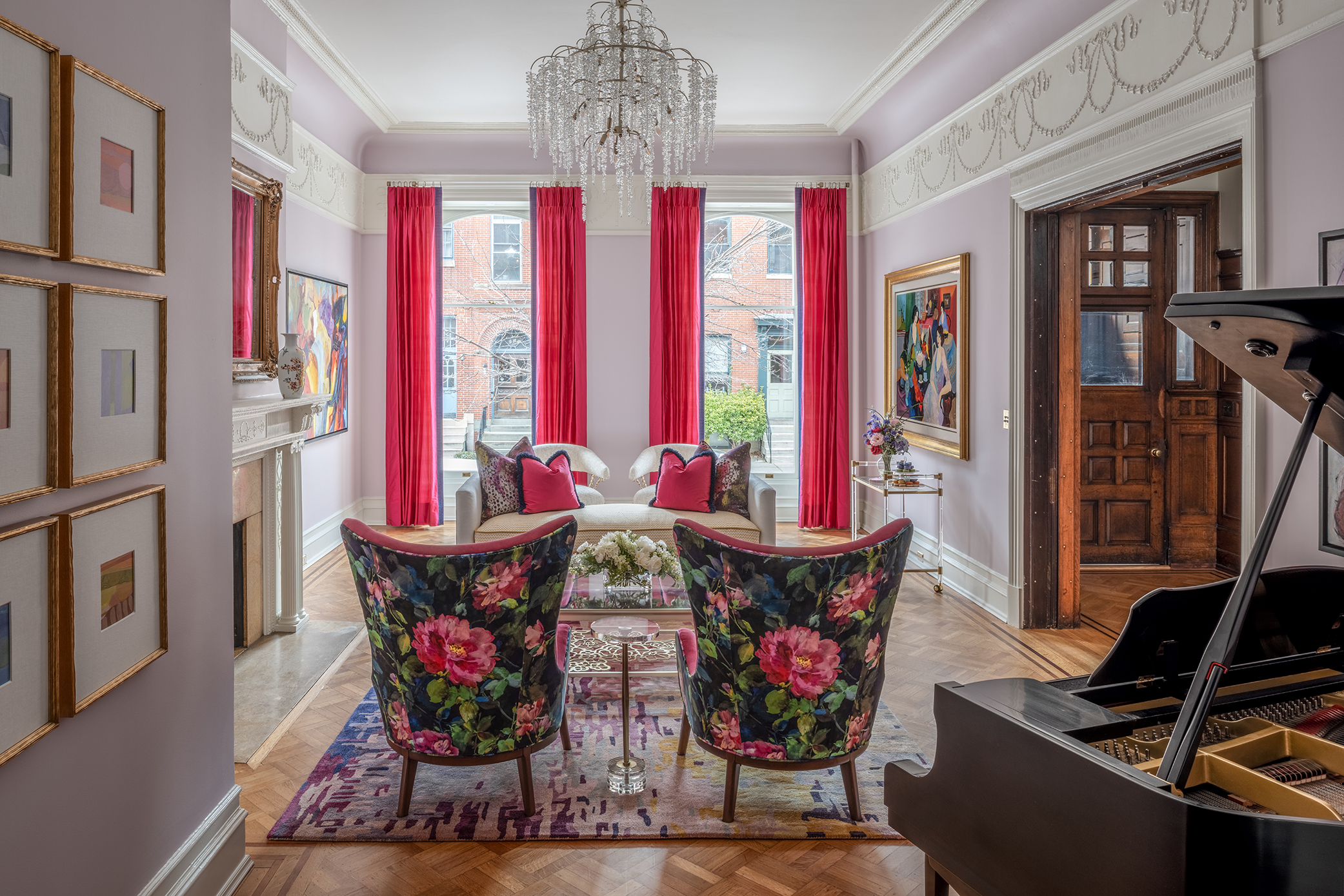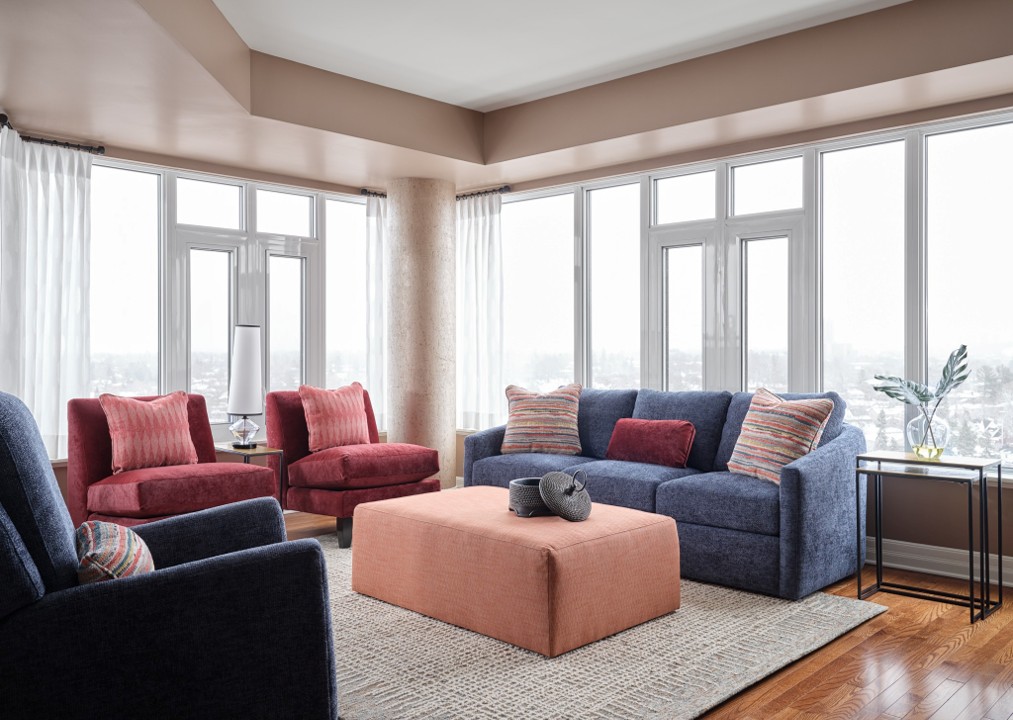
A good chair shouldn’t just look right in your room today. It should still feel comfortable, suit the way you live and earn its place in your home years from now. Choosing a comfortable chair that will do all three requires more thought than choosing the one you like best in a photograph—or even the one that feels comfortable for the few minutes you sit in it in a showroom.
When I select seating for my clients, I think about three things: Does it fit the person? Does it fit the room? And does it fit the way they live?
What makes a chair comfortable for you?

Two people can sit in the same chair and have completely different experiences.
Height, leg length and body proportions all affect how a chair feels. A deep seat that allows one person to settle back comfortably may leave someone else unable to sit against the back of the chair with their feet on the floor. Chair seat depth, seat height, back height, arm height and cushion construction can all make a difference. This is why I don’t select seating based on dimensions alone.
Sometimes I’ll take measurements from my client and compare them with the dimensions and proportions of the furniture I’m considering. It’s a little like having a bespoke suit made: we’re looking for something that fits you, rather than expecting you to fit the furniture.
Your favourite chair can tell me a lot
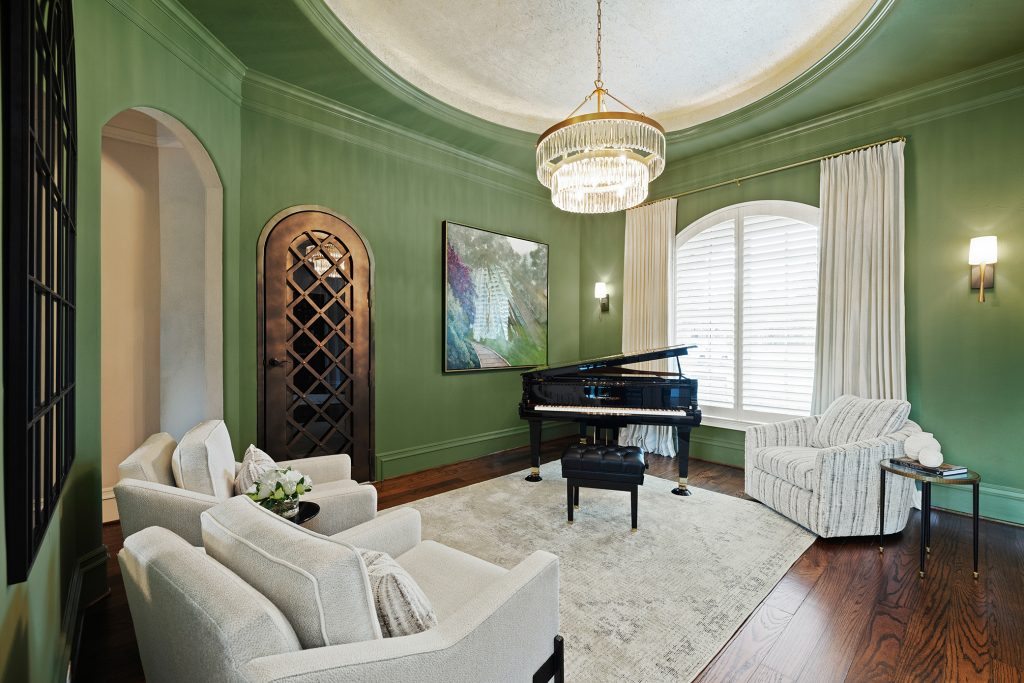
One of the most useful pieces of information may already be sitting in your home. I often start with a chair or sofa that a client already owns. If it’s comfortable, I want to know why. If they never choose to sit in it, I want to know why that is too.
We can look at its seat height and depth, the angle and height of the back, the position of the arms and the firmness of the cushions. We can also talk about how they actually use it. Do they sit upright to read? Curl up with their feet underneath them? Want somewhere to put their head back at the end of the day? Need good support when getting in and out of the chair?
Those details tell me far more than simply asking whether someone prefers a firm or soft chair.
How can I choose the right chair if you can’t try it first?
None of the furniture I specify for my clients is sitting on a local showroom floor for them to try before we order it.
So how can I confidently recommend a chair that I believe will be comfortable for a particular client? Part of my job is knowing the furniture I’m specifying.
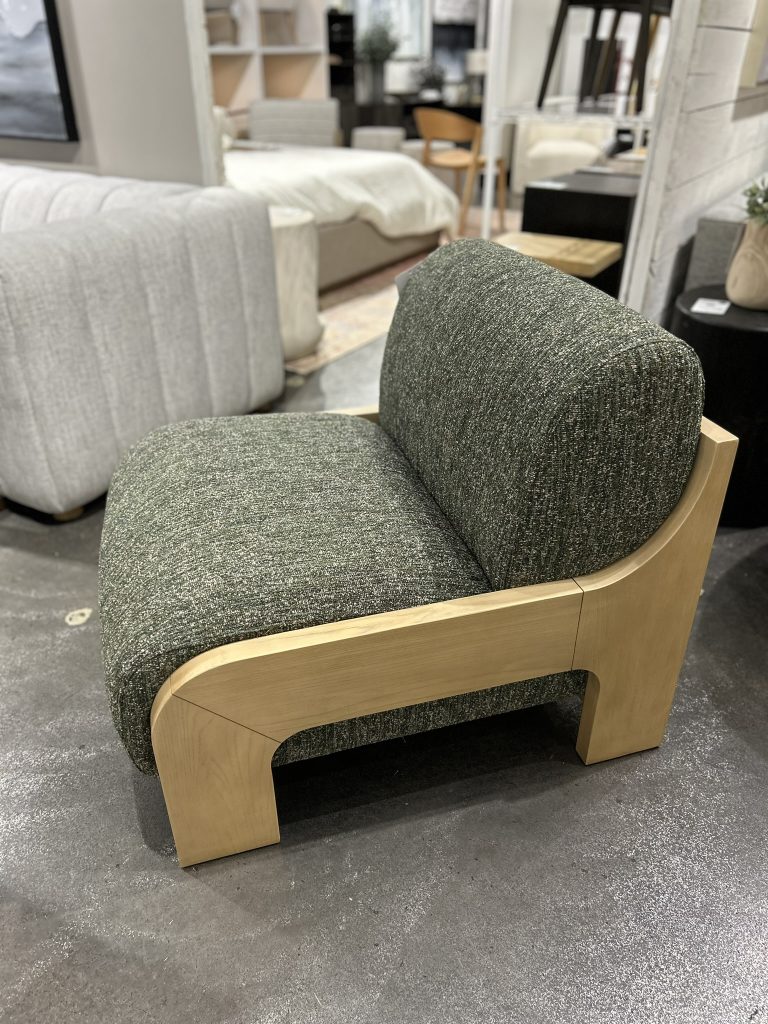
I’ve been designing homes for 13 years, and during that time I’ve developed familiarity with the manufacturers I work with and how their furniture sits. I visit showrooms and attend furniture markets and trade shows, where I can see, sit in and examine furniture in person.
Over time, you develop a working knowledge that can’t be captured completely on a specification sheet. You begin to understand which pieces sit more upright, which are designed for lounging, which have a firmer feel and which offer a deeper, more relaxed sit.
I combine that product knowledge with what I’ve learned about my client and the furniture they already find comfortable.
It’s not guesswork. It’s specification.
How do you choose a chair that fits the room?
A chair can be perfectly comfortable and still be completely wrong for the space. Scale matters.

An oversized chair can overwhelm a smaller room, while something too delicate can look lost beside a substantial sofa or fireplace. The height of the back and arms affects sightlines. The width affects circulation. Even the shape of the legs or base can influence how visually heavy the chair feels.
This is where space planning becomes important. Before I specify a piece, I need to understand not only whether it physically fits but whether its proportions make sense alongside everything else in the room.
The goal isn’t to fill the available space. It’s to create balance.
Think about how your life may change
Ten years is a long time. The chair you buy today may eventually move to another room or even another home. The way you use it may change too. This doesn’t mean you need to buy furniture for an imaginary future. But it does mean considering versatility and choosing quality that gives you options.
A well-made chair with good proportions can often be reupholstered years from now. A fabric can change. A room can change. A beautifully proportioned, comfortable chair can have a very long life.
That’s one reason I would rather invest in the right frame and construction than choose something primarily because it follows a particular trend.
How do you choose the right upholstery fabric?
The prettiest fabric isn’t necessarily the right fabric. Where will the chair live? Who will use it? Are there children or pets? Will someone eat or drink while sitting in it? Does the room receive a lot of sunlight? Is this an occasional chair or the chair someone will sit in every evening?
Durability matters, but performance isn’t the only consideration. Texture, colour, pattern and how the fabric feels against the skin all contribute to whether you continue to enjoy the chair.
The right upholstery fabric should support the way you live while still contributing something beautiful to the room.
A timeless chair doesn’t have to be boring

If you’re investing in a chair you hope to keep for years, it’s tempting to choose the safest possible option. I don’t think that’s necessary.
Longevity doesn’t mean everything has to be beige, plain or anonymous. An accent chair can have personality and still have staying power. The better question is whether you genuinely respond to it or whether you’re choosing it because it’s fashionable right now.
Colour, pattern and an interesting silhouette can give a room character. The trick is knowing the difference between something distinctive and something you’ll tire of once a trend has passed.
A chair should fit more than the room
When I specify a chair for a client, I’m not simply looking for something that coordinates with the sofa. I’m thinking about the person who will sit in it, the room around it and the life that will happen there. That means considering body proportions and comfort, scale and circulation, construction, upholstery fabric, lifestyle and aesthetics—and bringing all of those decisions together in one piece of furniture.
Because the best chair isn’t simply the one that looks beautiful when it arrives.
It’s the one you naturally keep choosing to sit in, year after year.
Frequently asked questions about choosing a chair
How do I know what chair seat depth is right for me?
Your height, leg length and preferred sitting position all matter. A deeper chair can be comfortable for lounging, while someone who prefers to sit upright may be better supported by a shallower seat. I often use measurements from furniture a client already finds comfortable as a starting point.
Should an accent chair match the sofa?
No. The chair should relate to the overall room, but it doesn’t need to match the sofa. Its scale, proportions, colour, fabric and shape should contribute to the composition of the room.
Is a performance fabric always the best choice for a chair?
Not necessarily. How and where the chair will be used should determine the fabric. Durability may be a priority in a heavily used family room, while texture, pattern or a particular hand may be more important for an occasional chair.
Can you select a comfortable chair for me even if I can’t sit in it before ordering?
Yes. I combine my knowledge of the manufacturers and furniture I specify with information about how you sit, furniture you already find comfortable and, when useful, your body measurements. This allows me to evaluate seating much more specifically for you.
Looking for the right chair for your home?
Choosing furniture is easier when you’re not making each decision in isolation. The right chair needs to work for you, but it also needs to work with the scale, function and design of the room around it.
If you’re furnishing or rethinking a room in your home and would like professional help selecting pieces that are comfortable, beautiful and suited to the way you live, contact Saree Parry Design to schedule a Discovery Call.