Preparing for an interior decorating consultation can feel a little daunting—especially when you’re not quite sure how to explain what you like. That’s where a mood board is helpful.
A mood board is a simple visual tool that gives your decorator a clearer sense of your style preferences, even if you’re still figuring them out. It makes it easier to communicate what you’re drawn to and allows your decorator to hone in on your taste right from the start. While not essential before a consultation, it’s certainly a useful way to set the tone for your project and make the most of your time together.
What is a Mood Board, and How Can it Help?
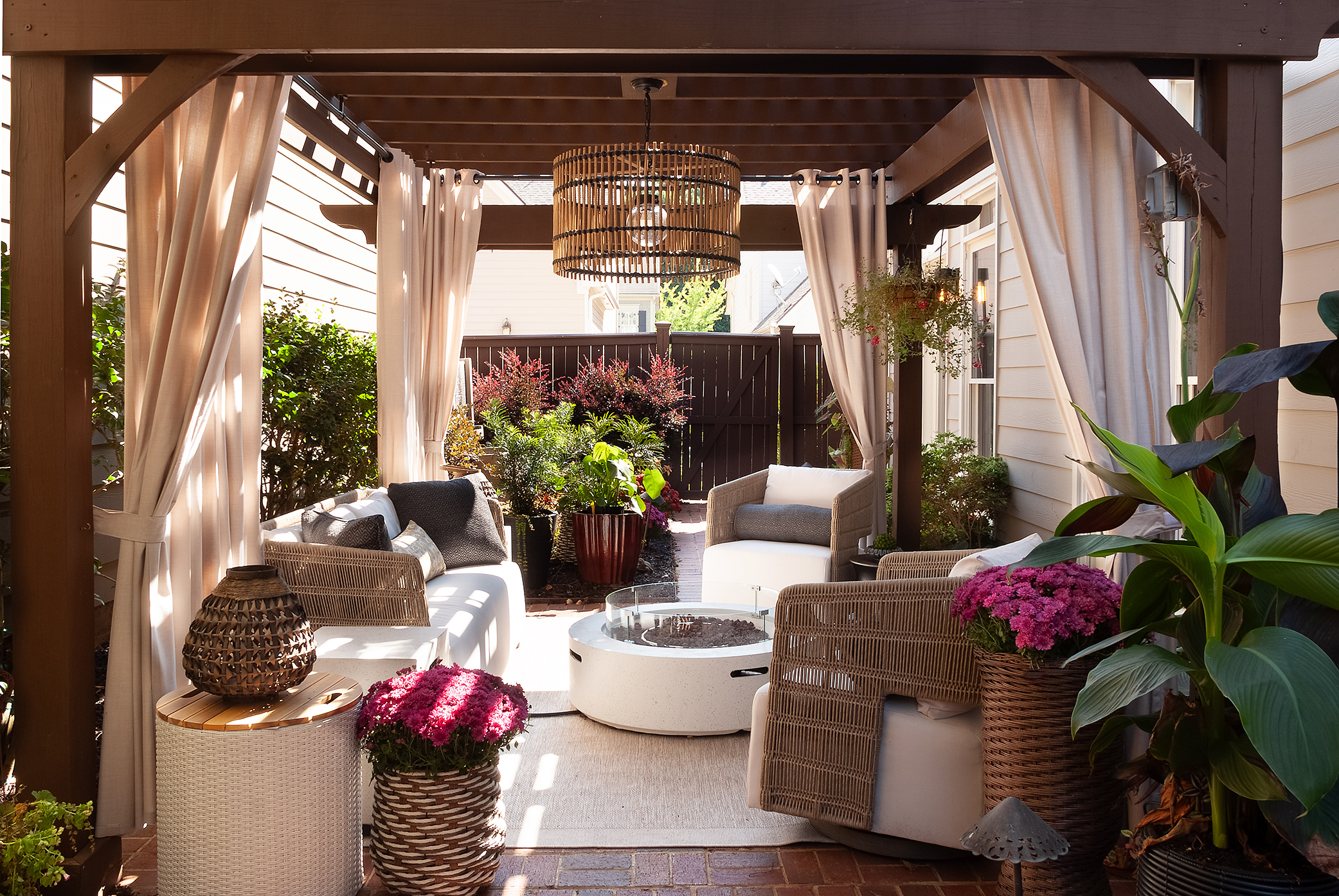
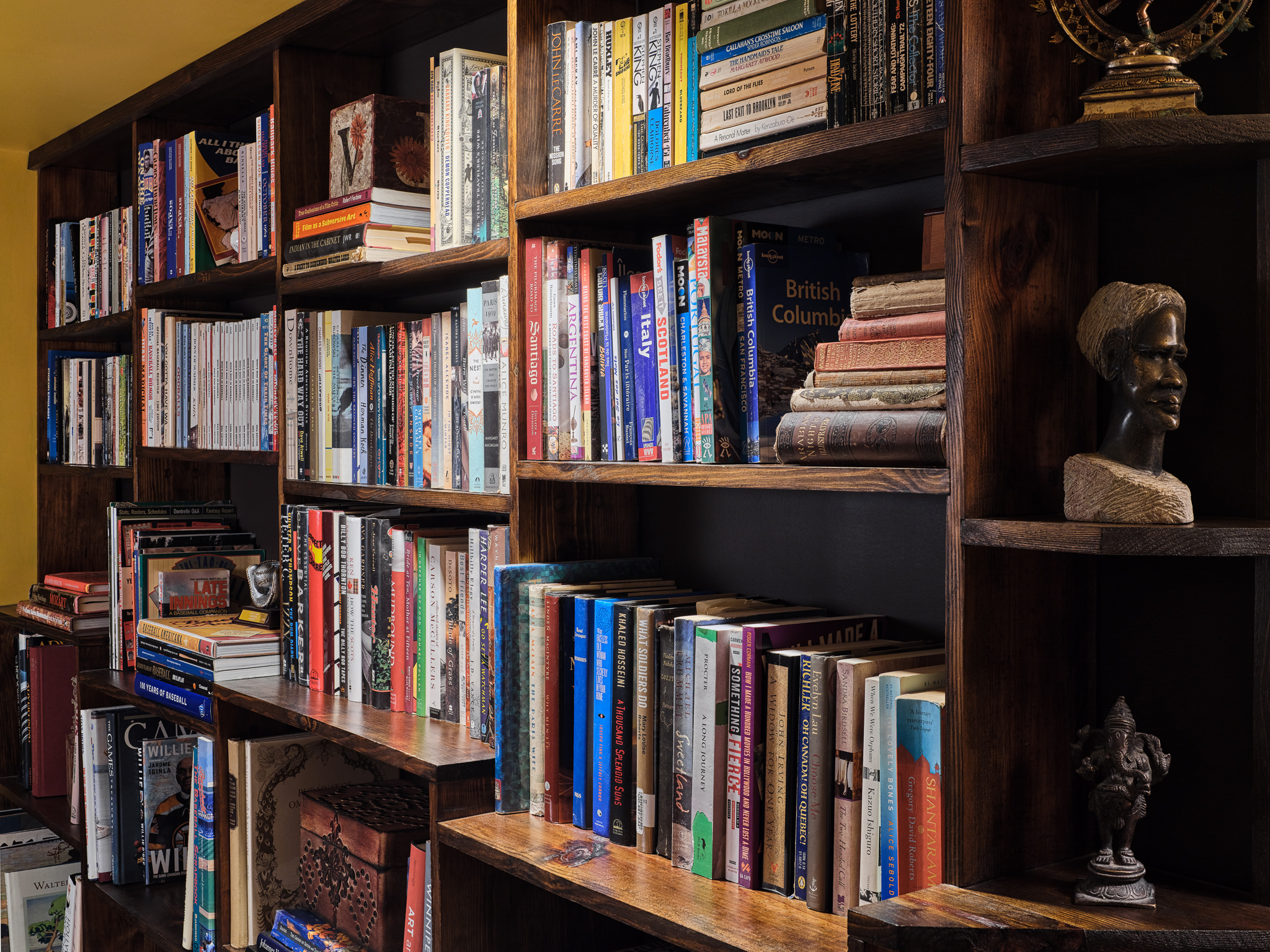
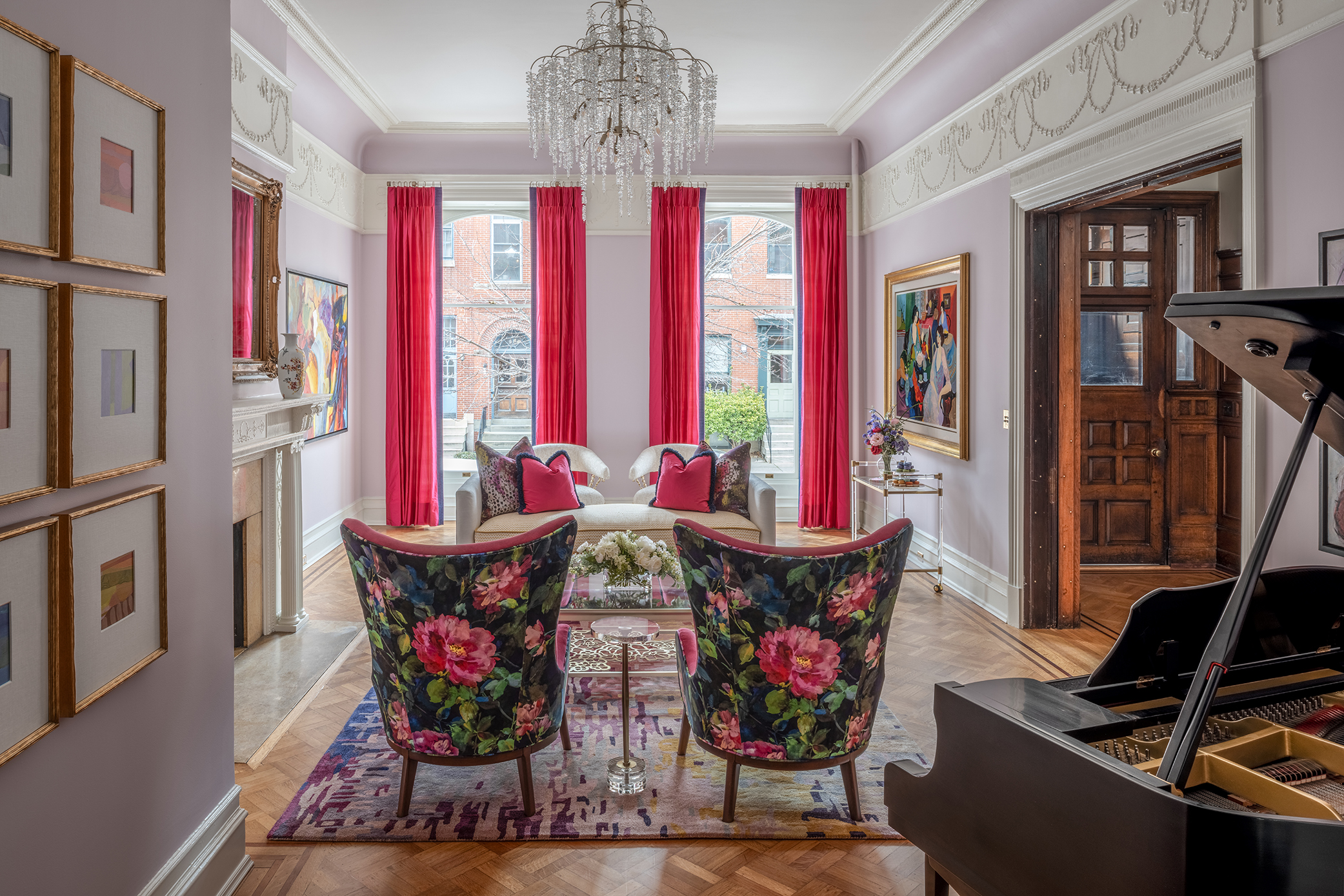
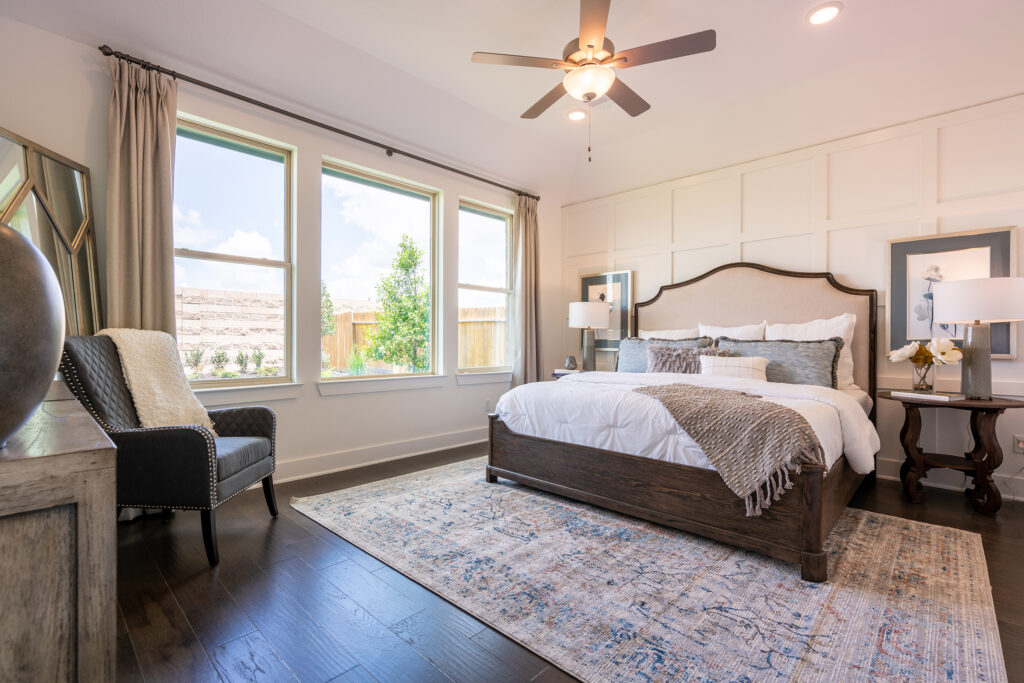
A mood board is a collection of images that reflect your personal style. These might include photos of rooms, furniture, lighting, colour palettes, finishes, materials, artwork, fashion—even travel photos. Anything that feels inspiring or captures a feeling you’d like to bring into your home can be useful.
There’s no need to include every single item or decision for your space. A mood board simply gives your decorator a sense of direction—something to respond to and ask questions about. It helps focus the conversation and reduces the amount of time spent leafing through decorating magazines that your decorator will typically have on hand for the consultation.
A few of the ways a mood board can help:
- Focus the conversation more quickly
- Highlight the colours, textures, and styles that resonate with you
- Provide a shared visual reference to guide the design process
Your decorator will still ensure that all aspects of the design are covered during the consultation. The mood board simply provides a strong starting point.
Ways to Create and Share Your Mood Board
There’s no one right way to put a mood board together. Use whatever format feels easiest and most natural for you:
- Pinterest: Create a board with images from across the web. Add short notes to highlight what you like about each one.
- Houzz Ideabooks: A practical tool for saving and organizing design ideas.
- Instagram Saved Collections: Save and sort posts into folders like “Lighting Ideas” or “Kitchen Looks.”
- PowerPoint or Google Slides: Great if you prefer a structured layout with space for comments.
- Shared photo albums: Use Google Photos or Apple albums to compile saved images or screenshots.
Tips for Building a Helpful Mood Board
- Include what you love—and what you don’t: Images that are almost right are just as helpful. A quick note like “love the colour, not the layout” adds context.
- Keep it manageable: A curated collection of 10 to 15 images is usually enough to start the conversation.
- Use comments or notes where needed: Phrases like “this feels relaxed” or “a bit too formal for me” help your decorator understand what resonates with you.
- Add photos of your current space if your consultation is virtual: These provide context for scale and lighting. For in-person consultations, your decorator will take photos as needed.
The Bottom Line
A mood board helps you focus and get into the right mindset leading up to your consultation. It’s a simple way to collect your thoughts and express your preferences, which helps your decorator guide the conversation and move forward with clarity.
If you’ve been gathering inspiration and are ready to take the next step, I’d love to help you bring it all together.
Contact us to book your complimentary consultation or feel free to call if you have any questions.